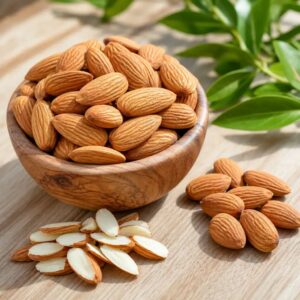
 They show up almost everywhere in modern cooking snack bags, smoothies, plant-based milk cartons, gluten-free baking flour but most people know surprisingly little about where this small seed actually comes from or what it does nutritionally. This ultimate guide covers what almonds are botanically, a short history of how they spread from the Middle East to California orchards, their nutrition profile, several evidence-based health benefits, how they compare to other popular nuts, and practical, everyday ways to use them in the kitchen.
What Are Almonds, Botanically Speaking?
Almonds aren’t technically nuts they are the edible seed found inside the fruit of the almond tree (Prunus dulcis), a close relative of peach, plum, and cherry trees. What we eat is the seed inside the pit, after the fuzzy outer hull and hard shell are removed. This is why the almond tree is grouped in the same botanical family as stone fruits, even though almonds themselves are used and marketed like tree nuts, alongside walnuts or cashews.
A Brief History of Almonds
Few foods in the modern pantry have a history this long. Domestication is believed to have taken place in the Middle East and Central Asia thousands of years ago. Wild varieties of the tree contain amygdalin, a compound that produces bitter, toxic cyanide-related compounds when the seed is eaten raw — early cultivation likely involved selecting rare sweet, non-toxic mutations, which were then propagated by grafting rather than left to reproduce naturally.
From that origin point spanning modern-day Iran and Central Asia, the tree spread along early trade routes into the Mediterranean, where its seed became deeply embedded in Greek, Roman, and later Middle Eastern and North African cuisine and culture. Spanish missionaries eventually brought the trees to California in the 18th century, and the state’s Central Valley with its Mediterranean-like climate has since become the dominant global source of commercial supply, a position it still holds today. A single region now accounts for the large majority of the world’s harvest, which is a remarkable concentration for a crop with such ancient, geographically scattered origins.
Almond Nutrition Facts
Almonds are calorie-dense but nutrient-rich, meaning a relatively small serving delivers a meaningful amount of healthy fat, protein, fiber, and micronutrients.
| Nutrient (per 1 oz / ~23 pieces) | Amount |
|---|---|
| Calories | ~164 |
| Protein | ~6 g |
| Fat (mostly monounsaturated) | ~14 g |
| Fiber | ~3.5 g |
| Vitamin E | ~37% of Daily Value |
| Magnesium | ~19% of Daily Value |
| Calcium | ~7% of Daily Value |
Values are approximate and can vary slightly by variety and preparation. See the USDA FoodData Central database for detailed nutrient breakdowns.
Almonds vs. Other Popular Nuts
It helps to see how almonds stack up against other common snacking nuts, since “healthiest nut” questions rarely have a single right answer — it depends what you’re optimizing for.
| Nut (1 oz) | Calories | Protein | Fat | Fiber |
|---|---|---|---|---|
| Almonds | ~164 | ~6 g | ~14 g | ~3.5 g |
| Walnuts | ~185 | ~4 g | ~18 g | ~2 g |
| Cashews | ~157 | ~5 g | ~12 g | ~1 g |
| Peanuts* | ~161 | ~7 g | ~14 g | ~2.4 g |
Peanuts are technically legumes, not tree nuts, but are included here since they’re commonly eaten and compared alongside them in snack aisles and recipe substitutions.
Almonds land in the middle on calories, ahead of most other nuts on fiber, and provide notably more vitamin E than the alternatives above one reason nutrition guidance often highlights this particular seed specifically rather than treating all nuts as interchangeable.
Health Benefits of Almonds, Backed by Nutrition Research
Much of the research in this area comes from nutrition science examining whole-food fat sources rather than isolated nutrients, and the Harvard T.H. Chan School of Public Health’s Nutrition Source is a useful, non-commercial reference for how nuts fit into an overall diet.
- Heart health support. The monounsaturated fat profile is associated with favorable cholesterol patterns when it replaces less healthy fat sources in the diet.
- Blood sugar management. The combination of fiber, protein, and fat slows digestion, which can help moderate blood sugar spikes when eaten alongside carbohydrate-heavy meals.
- Weight management support. Despite the calorie density, studies on nut consumption generally haven’t linked moderate intake to weight gain, likely because it promotes satiety.
- Bone-related nutrients. Calcium and magnesium content supports maintaining bone density over time.
- Antioxidant content. The skin is particularly rich in flavonoid antioxidants, one reason raw or lightly roasted whole pieces are often preferred over blanched (skin-removed) versions.
- Vitamin E supply. A single ounce provides a substantial share of daily vitamin E needs, an antioxidant vitamin many diets fall short on.
- Digestive fiber. The fiber supports regular digestion and feeds beneficial gut bacteria.
- A staple fat source for plant-based diets. This seed and its derived products (milk, butter) are common staples for people reducing dairy or animal fat intake pair well with the recipes in our smoothie recipes collection.
- Convenient protein boost. While not a complete protein on its own, it adds a meaningful protein contribution to vegetarian and vegan meals and snacks; see our healthy snack recipes for ideas.
This is general nutrition information, not medical advice anyone managing a specific health condition should check with a healthcare provider about how this food fits their individual needs.
How to Use Them in Cooking
Almonds are unusually versatile because they show up in several different forms, each suited to different uses:
- Raw, whole pieces — best for snacking or adding crunch to salads and grain bowls without added oil or salt.
- Roasted, whole pieces — a deeper, nuttier flavor that works well in trail mixes and baked goods; roasting can slightly reduce some heat-sensitive nutrients but improves flavor and shelf stability.
- Almond flour — made from finely ground blanched pieces, a popular gluten-free substitute in baking, producing a denser, moister texture than wheat flour. Our gluten-free baking guide covers how to adjust standard recipes for this swap.
- Almond milk — a plant-based milk alternative made by blending the seed with water and straining out the solids; lower in protein than dairy or soy milk unless fortified. See our plant-based milk comparison for how it stacks up against oat, soy, and coconut versions.
- Almond butter — a spreadable alternative to peanut butter, often used in smoothies, oatmeal, and baking.
- Marzipan and paste — sweetened, finely ground preparations used in traditional European baking and confectionery.
Almonds in Global Cuisines
The long history of almonds across multiple regions means they show up in strikingly different culinary traditions. In Mediterranean and Middle Eastern cooking, it appears in everything from savory tagines and stuffings to sweet pastries like baklava, often paired with honey, rosewater, or dates. Spanish cuisine uses ground versions as a thickener in sauces like romesco. In South Asian cooking, it’s a common addition to rich, slow-cooked dishes and desserts like kheer, and slivers are frequently used as a garnish. In East and Southeast Asian desserts, similar ground-seed pastes appear in confections and milk-based drinks, echoing the same basic technique used in European marzipan, despite developing independently.
American baking took a somewhat different path, leaning on almond extract a concentrated flavoring derived from the seed’s oil rather than the whole seed itself, which is why the almond flavor in classic American cookies, cakes, and candy bars often comes from a small bottle rather than a handful of ground pieces. This split between whole-seed and extract-based uses is a useful reminder that “almond flavor” and “almond nutrition” aren’t always coming from the same ingredient in a given recipe.
Buying and Selecting Quality Almonds
A few practical pointers make it easier to buy well:
- Check for a fresh smell. Rancid pieces develop a faintly bitter, paint-like odor a strong signal the fat has oxidized.
- Buy in small quantities if you don’t use them often. Because of the fat content, smaller packages reduce the chance of a bag going stale before you finish it.
- Look for whole, unbroken pieces if freshness matters most broken or sliced versions have more exposed surface area and go rancid faster.
- Organic vs. conventional. the health benefits described above hold for both; the choice mostly comes down to personal preference and household budget rather than a meaningful nutritional difference between the two.
How to Store Them
Because of their fat content, whole almonds can go rancid faster than many pantry staples if stored improperly. Kept in an airtight container, they’ll typically last several months at cool room temperature, but refrigeration or freezing extends shelf life significantly particularly important in warm climates or for flour and butter forms, which have more surface area exposed to oxygen and go rancid faster than whole pieces.
The Environmental Side of the Story
California’s dominant role in global supply has also made almond farming a frequent subject of environmental discussion, particularly around water use the crop requires substantial irrigation, and California has faced repeated drought conditions in recent decades. Almond orchards also depend heavily on commercial bee pollination each spring, making the crop closely tied to the health of managed honeybee populations. None of this changes the nutritional case for including the food in a diet, but it’s a reasonable factor for environmentally conscious shoppers to be aware of when comparing sourcing options.
Is This Food Right for You?
For most people, almonds are a nutrient-dense addition to a varied diet. Two considerations are worth flagging:
- Tree nut allergy. It’s one of the most common tree nut allergens, and reactions can range from mild to severe. Anyone with a known or suspected nut allergy should avoid it and any derived products entirely, and consult a healthcare provider — our nut allergy-friendly substitutes guide covers alternatives for recipes that call for it.
- Calorie density. Because it packs a lot of calories into a small volume, portion awareness matters for anyone tracking calorie intake — a standard serving is about a small handful (roughly 23 pieces), not a full cup.
Almond Farming and Production Today
Modern commercial production is a highly organized, large-scale agricultural operation. California’s Central Valley alone produces the overwhelming majority of the world’s supply, spread across hundreds of thousands of acres of orchards. Trees typically take three to four years after planting before producing a commercially viable crop, and a well-maintained orchard can remain productive for two to three decades. Harvest generally happens once a year, in late summer, using mechanical shakers that loosen the hulls from the branches before the seeds are collected, hulled, and shelled for processing.
The scale of modern production is part of why prices have stayed relatively stable and accessible compared with many other specialty crops, even as demand for almond-based products — milk, flour, butter, and snack formats — has grown substantially over the past two decades. That growth has also pushed food manufacturers to innovate with the seed in less traditional formats, from almond-based yogurt alternatives to protein bars built around almond flour and almond butter as primary ingredients, reflecting how far the category has expanded beyond the plain roasted snack version most people picture first.
Quick Ways to Use Almonds This Week
If you’re looking for simple ways to work more almonds into your routine without a full recipe, a few low-effort options include:
- Toss a small handful of roasted pieces into a green salad in place of croutons for crunch without refined carbs.
- Blend a spoonful of almond butter into oatmeal or a smoothie for extra staying power.
- Swap a portion of wheat flour for almond flour in pancake or muffin batter for a denser, nuttier result.
- Keep a small container of raw pieces at your desk as a portable, no-prep snack.
- Use slivered pieces as a finishing garnish on roasted vegetables or grain bowls for texture.
None of these require a dedicated recipe, which is part of why almonds have become such a common pantry staple — it adapts easily to whatever you’re already cooking. Even small, repeated additions like these add up nutritionally over a week, without requiring a meal plan built specifically around the ingredient.
FAQ
Are almonds a nut or a seed? Botanically, they’re seeds found inside the fruit of the almond tree, not true nuts — though they’re commonly grouped and eaten as nuts.
How many should I eat per day? A common reference serving is about one ounce, or roughly 23 pieces, though individual needs vary based on overall diet and calorie goals.
Are raw pieces better than roasted? Raw retains slightly more heat-sensitive nutrients, but roasting offers a different flavor and texture with only a modest nutritional trade-off the better choice mostly comes down to preference and intended use.
Why is California such a major source? Spanish missionaries introduced the tree to California in the 18th century, and the state’s Mediterranean-like climate proved highly suited to cultivation, eventually making it the dominant global producing region.
Is almond milk a good substitute for dairy milk? It can be, depending on your goals, it’s naturally lower in protein than dairy or soy milk unless fortified, so it’s worth checking labels if protein intake matters to your diet.
Can almond flour fully replace wheat flour in any recipe? Not always on a 1:1 basis, it behaves differently, producing denser, moister baked goods, so recipes specifically developed for it tend to work better than direct substitutions in a standard wheat-flour recipe.
Do roasted or salted varieties lose their health benefits? Roasting causes only modest nutrient loss, but added salt can be a meaningful consideration for anyone watching sodium intake, unsalted, dry-roasted versions offer a middle ground between raw and heavily salted snack varieties.
What’s the difference between almond meal and almond flour? Almond meal is typically made from unblanched pieces (skins included), giving it a coarser texture and slightly darker color, while almond flour is made from blanched, skinless pieces ground finer almond flour generally works better for delicate baked goods, while almond meal suits heartier recipes like crusts or coatings.
Conclusion
Almonds sit at an unusual intersection of ancient food history and modern nutrition science cultivated for thousands of years, now studied for heart health, blood sugar, and satiety benefits, and available in more forms than almost any other seed or nut on the market. Whether eaten raw by the handful, ground into flour, or blended into milk, almonds remain one of the more versatile staples worth keeping in a kitchen.